Where is Hajj Performed?
What Is Hajj? Importance, Key Locations, and Spiritual Meaning
Hajj is the fifth pillar of Islam, a mandatory pilgrimage for every physically and financially capable Muslim to perform at least once in their lifetime. Each year, from the 8th to the 12th of Dhul-Hijjah, millions of Muslims gather in Mecca, Saudi Arabia, to fulfill this sacred obligation.
But Hajj is more than just a religious duty—it is a transformative spiritual journey symbolizing devotion to Allah, unity among the Ummah, equality, and inner purification.
What You’ll Learn in This Hajj Guide
- Key Hajj sites: Mina, Arafat, Muzdalifah, Safa, Marwah, and Kaaba
- Religious and historical significance of each location
- Rituals performed during Hajj and their spiritual meanings
- Travel and preparation tips for pilgrims
- Management and services provided by the Saudi government
Whether you’re planning to perform Hajj or seeking a deeper understanding, this guide offers comprehensive insights to prepare your mind and soul.
Main Hajj Location: Mecca (Makkah)
1. Kaaba Sharif & Masjid al-Haram
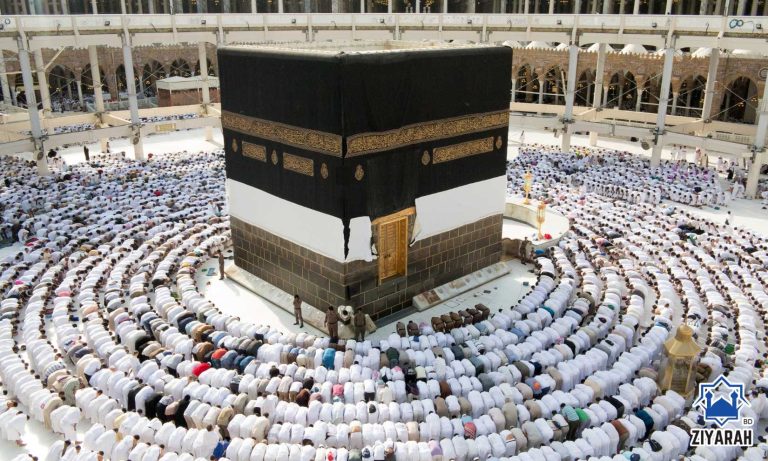
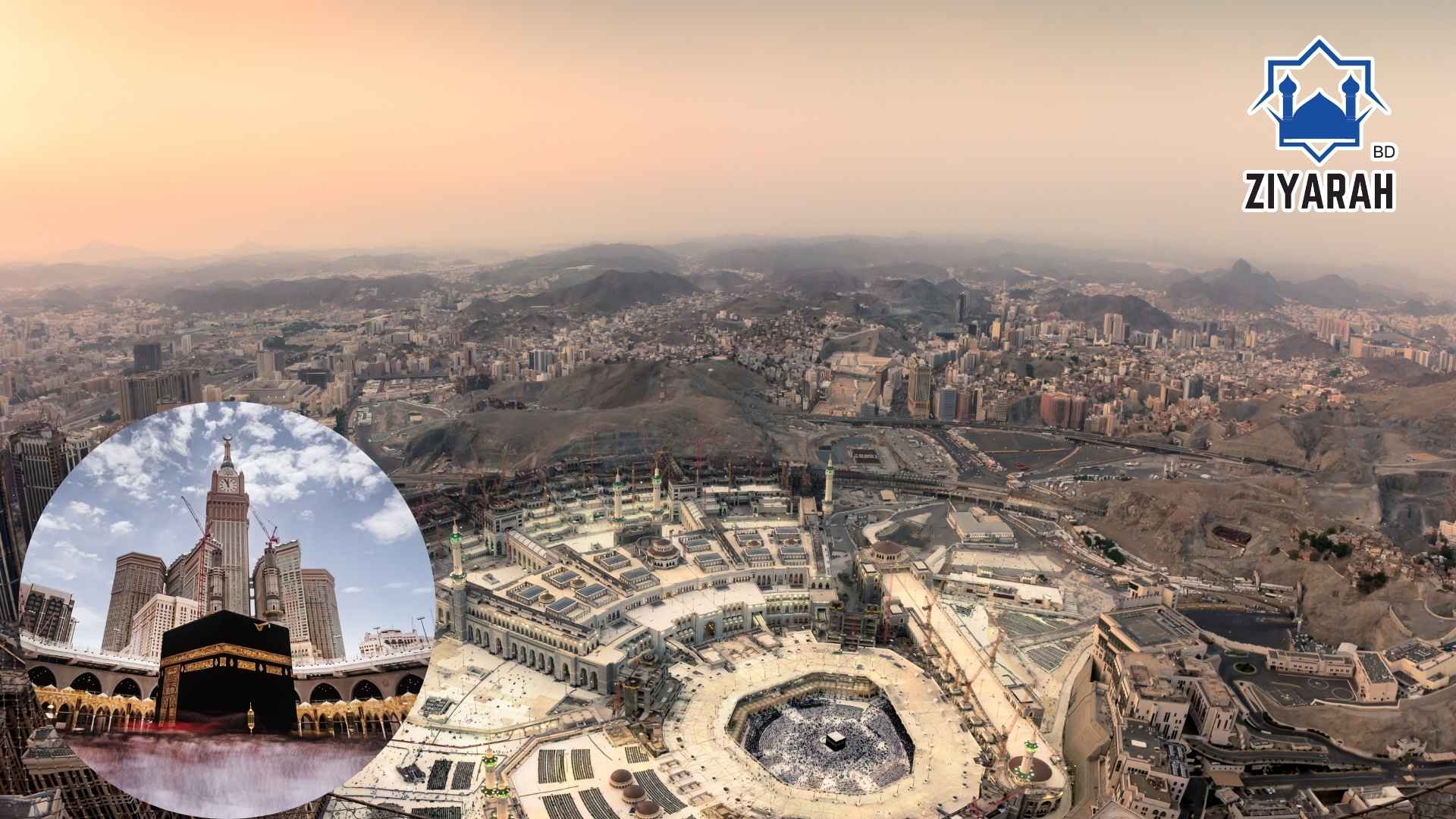
At the heart of Mecca lies the Kaaba, located inside Masjid al-Haram—the largest mosque in the world. The Kaaba Sharif is the Qibla (direction of prayer) for Muslims worldwide. During Hajj, pilgrims perform Tawaf, circling the Kaaba seven times, a powerful act of devotion to Allah.
Masjid al-Haram also houses:
- The Black Stone (Hajr-e-Aswad)
- Maqam-e-Ibrahim
- The Zamzam Well
These elements are vital to various Hajj rituals and spiritual reflection.
2. Safa and Marwah
These two small hills within Masjid al-Haram are where pilgrims perform Sa’i, walking seven times between them. This ritual commemorates Hagar’s search for water and teaches perseverance and trust in Allah.
3. Zamzam Well
Located near the Kaaba, the Zamzam Well was miraculously created for Hagar and her son Ishmael. Pilgrims drink Zamzam water for both spiritual and physical purification, and often bring it home.
Key Hajj Sites Beyond Mecca
1. Arafat – The Day of Forgiveness
Arafat is considered the most essential site of Hajj, located 20 km from Mecca. On the 9th of Dhul-Hijjah, pilgrims gather on the Plains of Arafat for Wuquf (standing before Allah)—a time of deep prayer, repentance, and reflection.
Mount Arafat (Jabal al-Rahmah) is where Prophet Muhammad (PBUH) delivered his final sermon, promoting human rights and unity. Without visiting Arafat, Hajj is incomplete.
2. Muzdalifah – A Night of Humility
After sunset on the 9th of Dhul-Hijjah, pilgrims travel to Muzdalifah, sleep under the open sky, and collect pebbles for the next day’s ritual. This humble act represents simplicity, equality, and spiritual readiness.
3. Mina – The Valley of Sacrifice
Mina, located 8 km from Mecca, is where pilgrims:
- Stay in tents
- Perform Ramy al-Jamarat (stoning the pillars symbolizing Satan)
- Conduct the Qurbani (sacrificial offering), honoring Prophet Abraham’s devotion
This site reinforces the message of resisting evil and absolute submission to Allah.
Spiritual & Historical Significance of Hajj Locations
Each Hajj site carries deep connections to Islamic heritage:
- The Kaaba was rebuilt by Prophets Abraham and Ishmael
- Safa-Marwah recalls Hagar’s struggle and faith
- Arafat is where the Prophet’s final message was delivered
These locations are not just places—they are symbols of devotion, sacrifice, and divine connection.
How to Travel to Hajj Locations
Most international pilgrims land in Jeddah (King Abdulaziz International Airport). Mecca is just 80 kilometers from Jeddah, accessible via government-provided transport services.
In countries like Bangladesh, Hajj travel is managed through official government or private Hajj packages, which include:
- Flights
- Accommodation
- Transportation to Hajj sites
Saudi Government’s Role in Hajj Management
The Saudi government ensures a safe and organized Hajj experience by offering:
- Air-conditioned tents in Mina
- Medical and security services
- Food, water, and sanitation facilities
- Zamzam water distribution
- Digital platforms like Nusuk for Hajj planning
They also manage Hajj quotas to ensure safety and crowd control.
Spiritual Lessons from Hajj Locations
Each site teaches a profound Islamic value:
- Kaaba & Tawaf: Unity and devotion
- Safa-Marwah: Patience and faith
- Arafat: Forgiveness and spiritual awakening
- Muzdalifah: Humility and simplicity
- Mina: Sacrifice and resistance to evil
Pilgrims return with renewed faith, clarity of purpose, and deepened spiritual consciousness.
Challenges of Hajj & How to Prepare
While modern facilities help, pilgrims still face:
- Extreme heat
- Crowds
- Physical strain
Preparation is key—pilgrims should focus on physical fitness, mental readiness, and spiritual intention for a smooth Hajj.
Conclusion: Why Understanding Hajj Locations Matters
Hajj is performed at sacred sites like Kaaba, Safa-Marwah, Arafat, Muzdalifah, and Mina, each carrying rich historical and spiritual meaning. These places teach lessons of faith, equality, sacrifice, and submission.
If you’re preparing for Hajj, understanding these locations will enrich your experience and help you connect deeply with Islamic history and Allah’s guidance.
✅ Start your preparation early
✅ Consult local Hajj offices or licensed agents
✅ Let Hajj be the journey that transforms your soul forever