How Hajj Expresses the Beliefs of Islam
Hajj is one of the five pillars of Islam and a profound spiritual journey for Muslims. Every year, millions of Muslims from around the world travel to Mecca to perform this obligatory act of worship at the sacred Kaaba. Hajj is not merely a religious ritual but a living expression of Islam’s core beliefs, including unity, equality, and devotion to Allah. This article explores how Hajj reflects Islamic beliefs and its spiritual and social significance.
What is Hajj and Its Importance
Hajj is the fifth pillar of Islam, obligatory for every capable Muslim to perform at least once in their lifetime. It takes place from the 8th to the 12th day of Dhul-Hijjah, the Islamic lunar month. During Hajj, Muslims perform rituals such as circumambulating the Kaaba (Tawaf), standing in prayer at the plains of Arafat, spending the night in Muzdalifah, and other prescribed acts. Through these rituals, Muslims seek forgiveness for their sins and draw closer to Allah.
Hajj reflects various aspects of Islamic beliefs, such as:
Complete devotion to Allah: Every ritual of Hajj symbolizes obedience to Allah’s commands.
Unity and equality: All pilgrims wear the same simple attire (Ihram), erasing distinctions of race, wealth, or status.
Sacrifice and patience: The challenges faced during Hajj teach Muslims perseverance and sacrifice.
Spiritual renewal: Hajj purifies the soul and offers Muslims a chance to start anew.
Historical and Religious Background of Hajj
The roots of Hajj are deeply embedded in Islamic history, linked to the lives of Prophet Ibrahim (Abraham), Prophet Ismail (Ishmael), and Hajar (Hagar). Following Allah’s command, Prophet Ibrahim was prepared to sacrifice his son Ismail, demonstrating unwavering faith and obedience. Additionally, Hajar’s search for water between the hills of Safa and Marwah is commemorated in the Sa’i ritual of Hajj.
These historical events teach Muslims about unconditional devotion and trust in Allah. The rituals of Hajj, reenacted annually, connect Muslims to their history and strengthen their faith.
How Hajj Expresses Islam’s Core Beliefs
Hajj embodies various fundamental beliefs of Islam. Below are some key aspects:
1. Tawhid: Belief in the Oneness of Allah
The foundation of Islam is Tawhid, the belief in one Allah. Every Hajj ritual reinforces this belief. For instance, during Tawaf, Muslims chant “Labbayk Allahumma Labbayk” (Here I am, O Allah, here I am), responding to Allah’s call. This declaration symbolizes Allah’s oneness and complete devotion to Him.
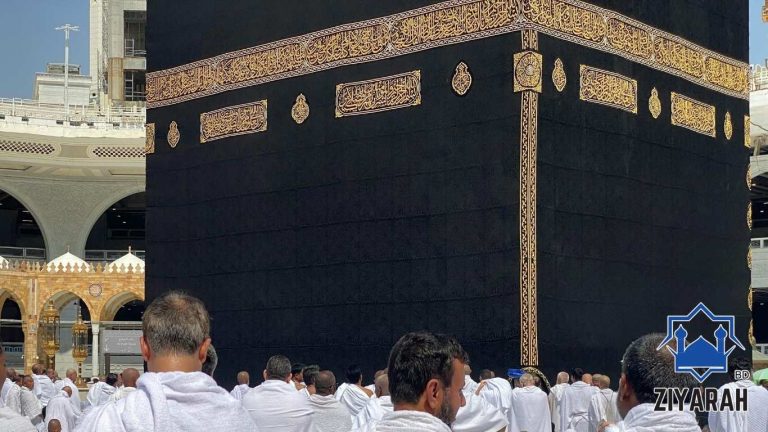
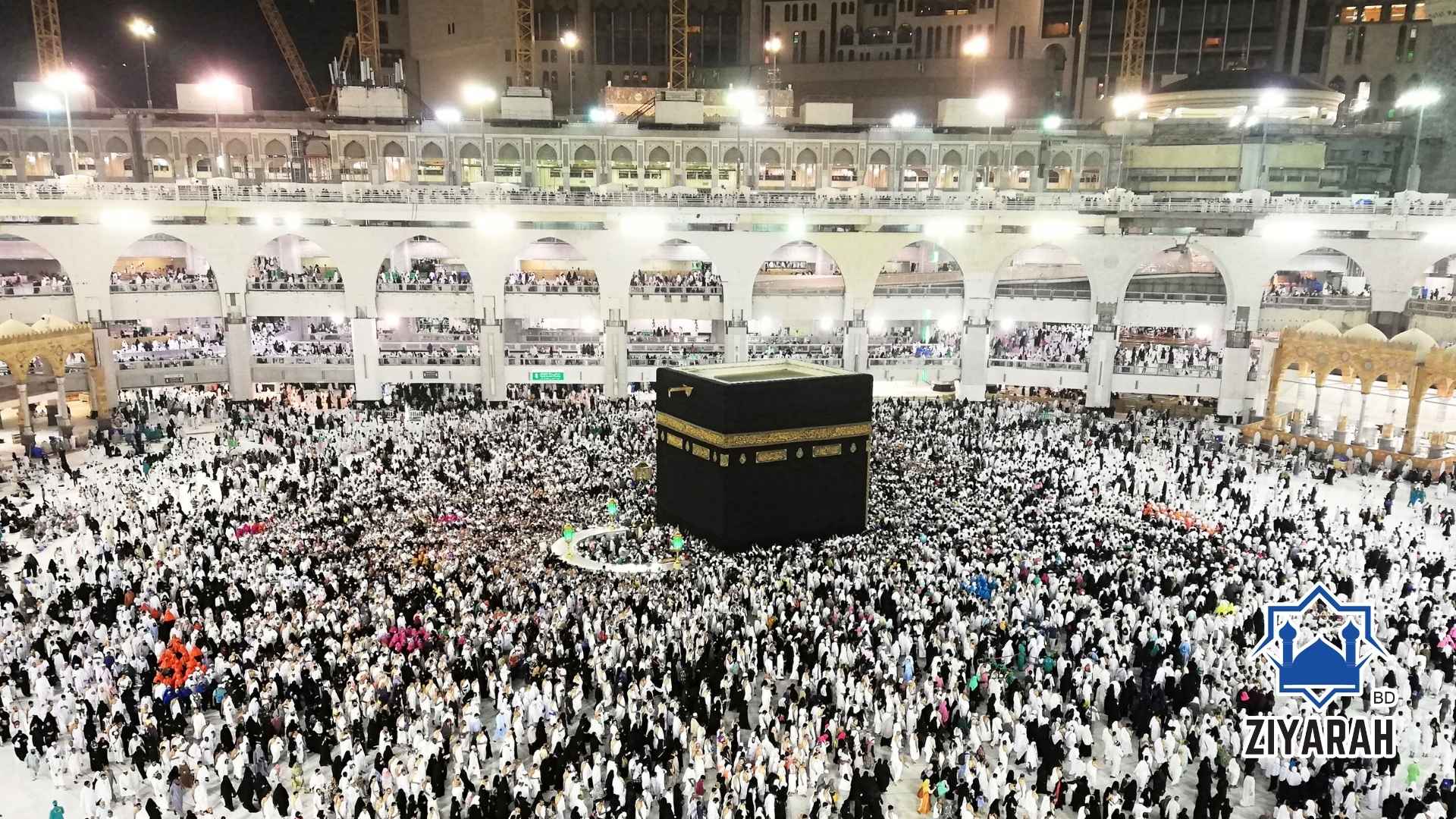
Circumambulating the Kaaba signifies placing Allah at the center of one’s life, a powerful expression of Tawhid, where Muslims dedicate their full reliance and devotion to Allah.
2. Obedience and Sacrifice
Hajj teaches Muslims obedience and sacrifice. Prophet Ibrahim’s willingness to sacrifice his son for Allah’s command is commemorated through the act of Qurbani (sacrifice) during Hajj. This ritual reminds Muslims that love and obedience to Allah surpass all else.
Additionally, adhering to the strict rules of Ihram, standing for long hours at Arafat, and symbolically stoning the pillars representing Satan demonstrate patience and devotion, core components of Islamic belief.
3. Equality and Brotherhood
Islam emphasizes equality and brotherhood, and Hajj is a living example of this. All pilgrims wear the simple white Ihram, eliminating distinctions of wealth, race, or status. During Tawaf, Muslims stand shoulder-to-shoulder, reflecting Islam’s egalitarian principles.
Muslims from across the globe gather during Hajj, symbolizing the unity of the Muslim Ummah. This fosters brotherhood and spreads Islam’s message of peace and harmony.
4. Spiritual Purification and Renewal
Hajj offers Muslims an opportunity for spiritual purification. A hadith states that a sincerely performed Hajj cleanses a person of sins, allowing them to return as pure as a newborn. During Hajj, Muslims engage in prolonged supplications, remembrance of Allah (dhikr), and repentance, seeking forgiveness.
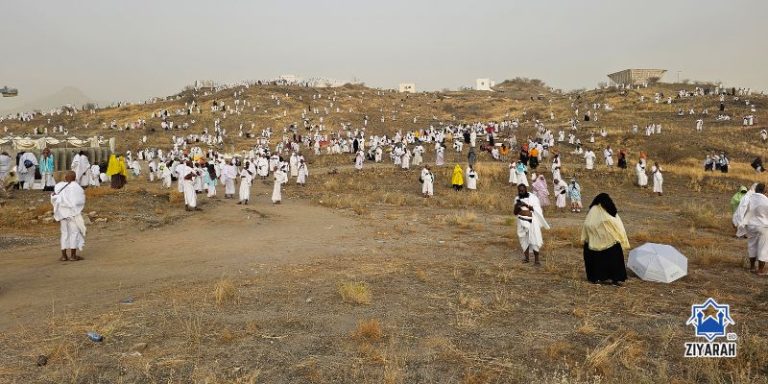
The Day of Arafat, where pilgrims stand in prayer, is the pinnacle of Hajj, offering spiritual cleansing and closeness to Allah. This reflects Islam’s belief in Allah’s boundless mercy and forgiveness.
Social and Global Impact of Hajj
Hajj is not only a personal act of worship but also has profound social and global impacts. It brings Muslims from diverse cultures together, broadening their perspectives and strengthening global Muslim unity.
Moreover, Hajj fosters generosity and empathy. The meat from the Qurbani is distributed to the poor, reflecting Islam’s commitment to social welfare. Pilgrims support one another during Hajj, reinforcing Islam’s teachings of cooperation and brotherhood.
Hajj’s Significance in the Modern Context
In today’s globalized world, Hajj’s importance has grown. It serves as a platform for Muslims to share their faith and message of unity with the world. During Hajj, Muslims promote peace, tolerance, and harmony, reflecting Islam’s universal values.
In a world dominated by materialism and busy lifestyles, Hajj helps Muslims reconnect with their spiritual roots, reminding them of their purpose and responsibilities toward Allah.
Preparation and Challenges of Hajj
Performing Hajj requires physical, mental, and financial preparation. Pilgrims face challenges such as large crowds, harsh weather, and prolonged worship, testing their patience and resilience—key Islamic teachings.
To prepare, Muslims must learn about Ihram rules, Hajj rituals, and their spiritual significance. Financial planning and physical fitness are also crucial, fostering discipline and responsibility.
Conclusion
Hajj is a powerful expression of Islamic beliefs and values, teaching Muslims about Tawhid, obedience, equality, sacrifice, and spiritual purification. It is not just a religious ritual but a means to dedicate one’s life to Allah’s path. Hajj strengthens the unity and brotherhood of the Muslim Ummah and conveys Islam’s message of peace and harmony to the world.
If you plan to perform Hajj or wish to learn more about its spiritual significance, contact your local mosque or Islamic scholar. This sacred journey is an unforgettable experience for every Muslim, deepening their faith.
The concluding section encourages readers to seek further information from local mosques or scholars, making the content actionable and fostering engagement.