Is There Any Age Limit for Performing Hajj?
What is Hajj and Its Importance?
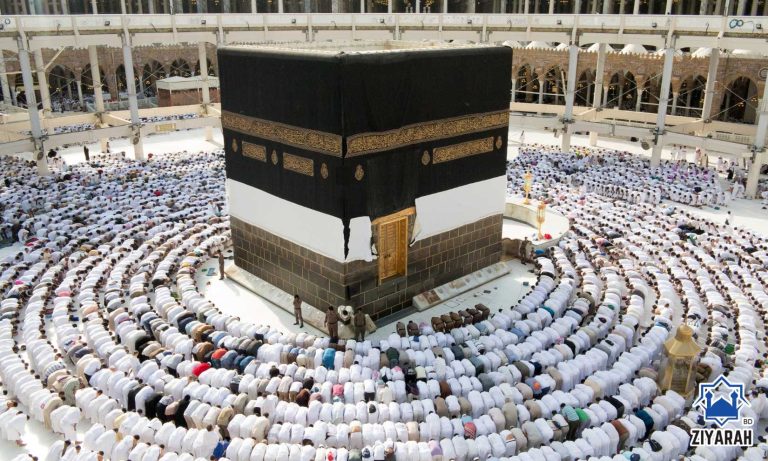
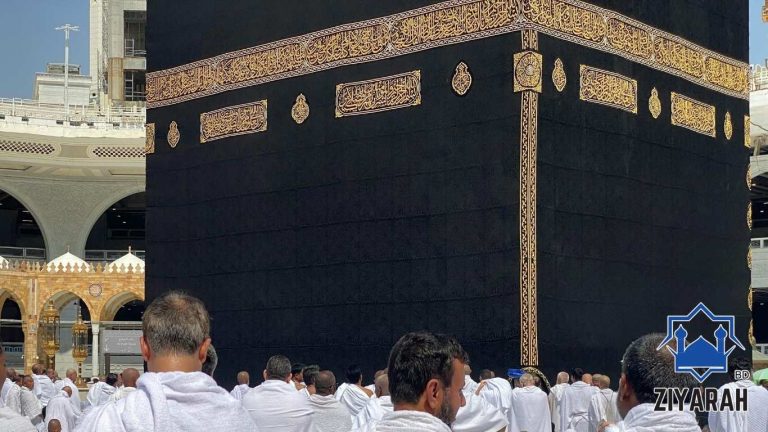
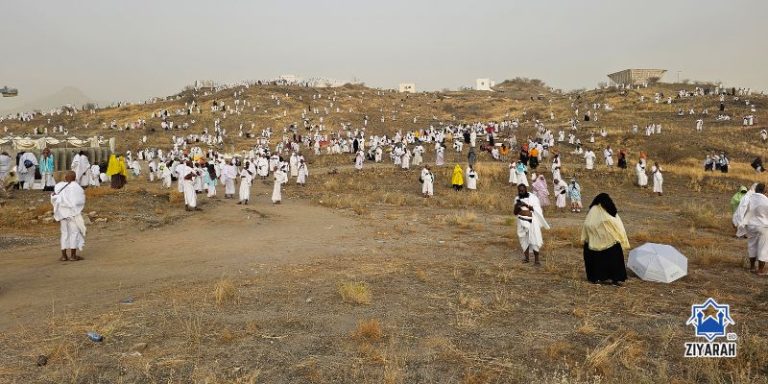
Hajj is one of the five pillars of Islam and among the most significant acts of worship. It is a sacred pilgrimage that every physically and financially capable Muslim must perform at least once in their lifetime. Every year, millions gather in Makkah, Saudi Arabia, between the 8th and 13th of Dhul Hijjah to perform this spiritual journey. The main rituals include Tawaf around the Kaaba, Sa’i between Safa and Marwah, standing in prayer at Arafat, overnight stay in Muzdalifah, and symbolic stoning at Mina.
However, many people wonder: Is there any age restriction for performing Hajj? In this guide, we will comprehensively discuss the age requirements for Hajj, Islamic rulings, Saudi government regulations, and necessary preparations. If you want to know everything about the Hajj age limit, rules, and preparation, this guide is for you.
Is There Any Age Limit for Hajj?
According to Islamic teachings, there is no specific age limit for Hajj. This means anyone from children to elderly individuals can perform Hajj, provided they meet certain conditions:
- Physical Capability: Hajj requires extensive walking and physically demanding tasks. Therefore, the individual must be physically fit.
- Financial Capability: One must be able to bear all costs associated with Hajj, including visa fees, airfare, accommodation, meals, and transportation.
- Mental Capability: The person must be mentally prepared and capable of understanding and performing the rituals correctly.
- Mahram (for Women): Women must be accompanied by a Mahram (father, brother, husband, or son).
According to Islamic law, if a child performs Hajj, it is not considered their obligatory Hajj (Farz), as that is only valid upon reaching adulthood (Baligh). However, performing Hajj at a younger age earns rewards. Elderly individuals may also perform Hajj if they are physically able.
Saudi Government’s Hajj Age Policy
While Islam does not set any age restrictions, the Saudi government has certain regulations for the management and safety of pilgrims:
- Minimum Age: Generally, children under 5 are not granted Hajj visas due to safety concerns in large crowds. However, children above 5 can accompany their parents.
- Elderly Pilgrims: There is no upper age limit, but elderly pilgrims must provide a health certificate proving they can physically handle Hajj.
- Health Requirements: All pilgrims are required to receive meningitis and flu vaccinations, which are especially important for elderly individuals.
Can Children Perform Hajj?
Yes, children can perform Hajj, but certain factors must be considered:
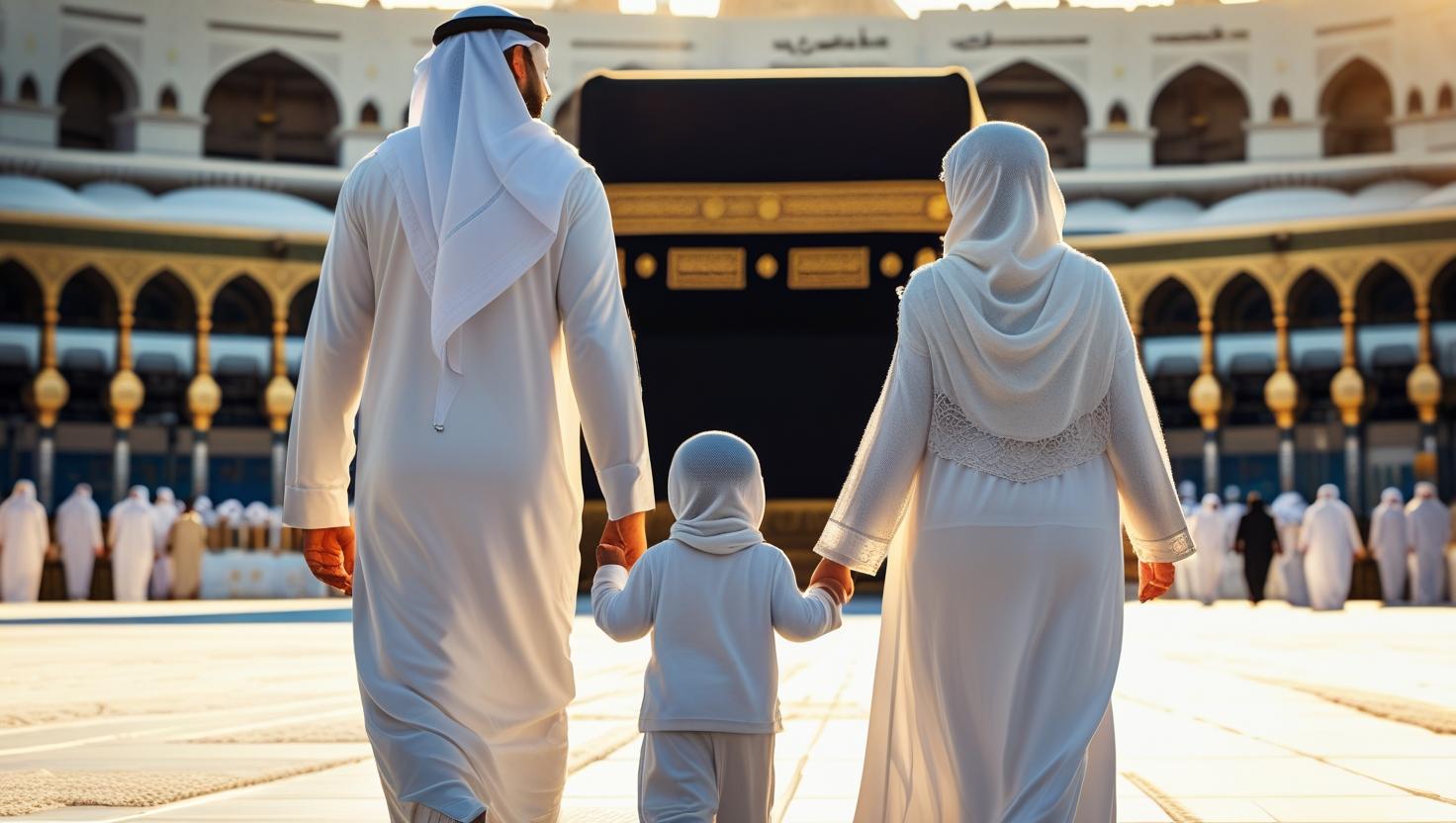
- Islamic Ruling: Hajj is not obligatory for children since they are not yet accountable in Islamic law (Baligh). However, accompanying parents in Hajj brings spiritual rewards.
- Safety Concerns: With millions gathered in Makkah, children risk getting lost or injured in the crowd. Parents must always keep them close.
- Physical Capability: The long walks and extreme heat may be challenging for children; parents should monitor their health closely.
- Visa Rules: Generally, visas are not issued for children under 5. Children between 5 and 18 must travel with parents or a Mahram.
For example, if your 12-year-old sibling goes for Hajj with parents, they can participate but it won’t count as their obligatory Hajj.
Can Elderly People Perform Hajj?
Yes, elderly people can perform Hajj if they are physically able. However, they should consider the following:
- Medical Fitness: Since Hajj involves walking 5-15 kilometers daily under extreme heat, medical check-ups and doctor’s advice are essential.
- Companions: Elderly pilgrims should have family members or companions to assist them.
- Special Facilities: The Saudi government provides wheelchairs, special tents, and medical services for elderly pilgrims, which can be availed through Hajj packages.
- Health Precautions: Stay hydrated, use umbrellas for sun protection, and carry essential medications.
For example, if your 70-year-old grandparent wishes to perform Hajj and can walk comfortably, they can participate, preferably with a companion.
Preparation for Hajj
Regardless of age, thorough preparation is essential for Hajj:
1. Learn Hajj Rules
Familiarize yourself with the main rituals:
- Ihram: Wearing special garments and making the intention before starting Hajj. Men wear two unstitched white sheets, and women wear modest loose clothing.
- Tawaf: Circumambulating the Kaaba seven times.
- Sa’i: Walking seven times between Safa and Marwah hills.
- Dua at Arafat: Praying on the 9th of Dhul Hijjah.
- Overnight Stay at Muzdalifah: Collecting pebbles and spending the night.
- Rituals at Mina: Stoning the pillars and performing sacrifice.
You can attend training classes offered by local mosques or Hajj agencies in Bangladesh.
2. Apply for Hajj Visa
To travel for Hajj, a visa is required:
- Government Hajj Package: Register through Bangladesh’s Ministry of Religious Affairs.
- Private Agencies: Apply through authorized Hajj agencies.
- Nusuk Platform: Use Saudi Arabia’s online platform to book visa, hotel, and transport.
Required Documents:
- Valid passport (with at least 6 months validity)
- Passport-sized photos
- Health certificate (Meningitis and Flu vaccinations)
- Mahram information (for women)
- Registration fees
3. Financial Preparation
Hajj expenses vary depending on packages:
- Government Package: 4-6 lakh BDT
- Private Package: 6-10 lakh BDT
Costs include visa fees, airfare, accommodation, meals, and sacrifice. Costs may be reduced with personal planning.
4. Physical Preparation
- Walk 30-60 minutes daily.
- Get meningitis and flu vaccinations.
- Consult a doctor, especially for children or elderly pilgrims.
- Stay hydrated and carry sun protection.
5. Clothing & Essentials
- For Men: Two white, unstitched Ihram sheets and comfortable sandals.
- For Women: Loose-fitting clothing like abaya or hijab (niqab is not allowed during Ihram).
- Other Essentials: Water bottles, umbrella, small bags, medicines, and necessary documents.
6. Mahram Arrangement
Women must arrange a Mahram (father, brother, husband, or son) for Hajj.
Challenges During Hajj
Hajj can be challenging, especially for children and the elderly:
- Crowds: Millions gather in Makkah; risk of getting lost or injured.
- Extreme Heat: Temperatures can reach up to 40°C; stay hydrated and use umbrellas.
- Health Risks: Spread of meningitis or flu; vaccinations and masks are essential.
- Visa Quota: Each country has a limited number of Hajj visas; apply early.
Spiritual Significance of Hajj
Hajj is more than just a journey; it is a means to submit to Allah and seek forgiveness. Prophet Muhammad (PBUH) said that a properly performed Hajj erases previous sins. Through Tawaf, prayers, and sacrifice, pilgrims draw closer to Allah and strengthen their faith.
Hajj Arrangements by Saudi Arabia
The Saudi government provides tents, buses, hospitals, and security for pilgrims. Booking visas, hotels, and transport is easily done through the Nusuk platform. Special facilities such as wheelchairs and medical care are available for children and elderly pilgrims.
Conclusion
Islam imposes no specific age limit for Hajj. Anyone, from children to elderly, can perform Hajj if they meet the physical, financial, and legal requirements. Learn the rules, apply for your visa, prepare both physically and financially, and embark on a journey that brings you closer to Allah.
Call to Action:
If you are planning for Hajj or want to learn more about age requirements, consult your local Imam or Islamic scholar. Visit Bangladesh’s Ministry of Religious Affairs website (www.hajj.gov.bd) or apply through the Nusuk platform. Attend Hajj training sessions, prepare well, and pray for your Hajj to be accepted by Allah.