
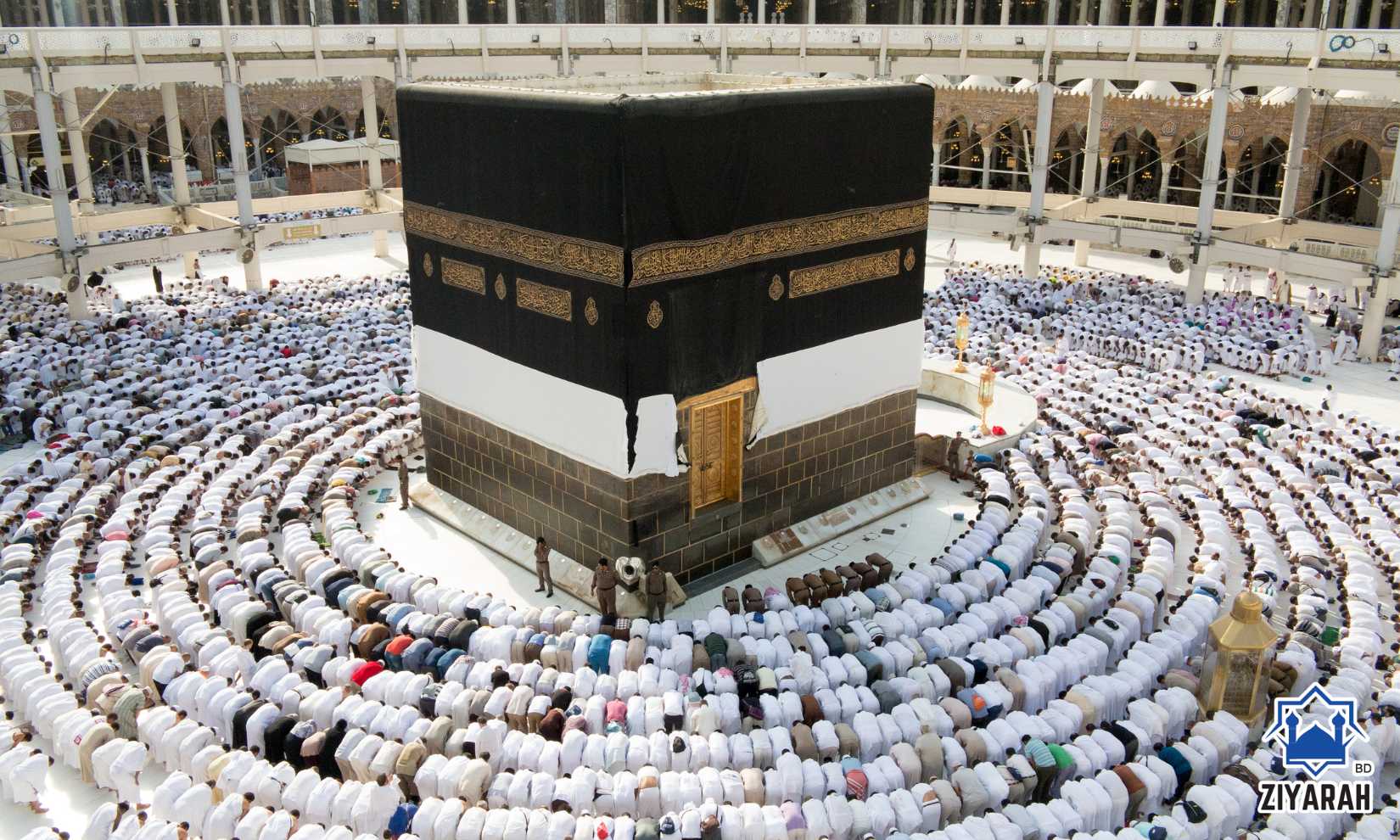
How Many People Attend Hajj Each Year? | Annual Statistics.
What is Hajj and Why is it Important?
What Is Hajj and Why Is It So Important in Islam?
Hajj is a sacred pilgrimage to Mecca and one of the Five Pillars of Islam. It is a religious obligation that every adult Muslim who is physically and financially able must perform at least once in their lifetime. More than just a journey, Hajj is a deeply spiritual experience that symbolizes submission to Allah (SWT), purification of the soul, and the unity of the Muslim Ummah.
Hajj takes place every year during the Islamic month of Dhul-Hijjah, specifically between the 8th and 13th days. During these days, millions of Muslims from around the world gather in Mecca to perform a series of profound religious rituals. These include:
- Tawaf – Circling the Kaaba seven times in Masjid al-Haram
- Sa’i – Walking between the hills of Safa and Marwah
- Standing at Arafat – A key ritual that signifies seeking forgiveness
- Muzdalifah – Spending the night under the open sky in worship and reflection
- Mina – Participating in the stoning of the devil and offering a sacrifice (Qurbani)
Hajj holds immense spiritual significance in Islam. It serves as a powerful reminder of the Day of Judgment, promotes humility, equality, and reinforces the commitment to a righteous life. For Muslims, performing Hajj is a once-in-a-lifetime opportunity to cleanse their sins and draw closer to Allah.
How Many People Participate in Hajj Each Year?
The number of Hajj participants is staggering. On average, 2 to 3 million Muslims perform Hajj annually. However, this number varies depending on global circumstances, Saudi Arabia’s quota system, and health regulations.
Recent Hajj Statistics (According to GASTAT):
| Year | Total Pilgrims | Key Features |
| 2024 | 1,833,164 | Over 1.6 million foreign pilgrims, 875,000 female pilgrims |
| 2023 | 1,840,000 | Full-scale Hajj post-COVID |
| 2020 | 10,000 | Limited to local residents only |
| 2021 | 58,700 | Restricted participation |
| 2019 | Over 2.4 million | Among the highest recorded |
| 2025 (Estimate) | Over 2 million | Return to normalcy |
Three Main Reasons for Performing Hajj
- Spiritual Liberation
Hajj offers the promise of forgiveness for past sins. Prophet Muhammad (PBUH) said:
“Whoever performs Hajj for Allah’s pleasure and avoids obscene and sinful acts returns as pure as a newborn.” - Unity of the Muslim Ummah
Millions of Muslims from around the world wear the same Ihram and participate in the same rituals, showcasing Islam’s unity and brotherhood. - Lessons of History and Sacrifice
Every part of Hajj carries lessons from the sacrifices and faith of Prophet Ibrahim (AS), Hagar (AS), and Ismail (AS).
How is the Number of Pilgrims Determined?
- Quota System
Saudi Arabia allocates Hajj visas based on a country’s Muslim population, typically one visa per 1,000 Muslims. Examples (2023):- Indonesia: 229,000 visas
- Pakistan: 179,210 visas
- India: 175,025 visas
- Safety and Crowd Control
Past incidents, such as stampedes in 1998 and 2006, have led Saudi authorities to limit quotas and enhance safety and health measures. - Nusuk Platform
Since 2023, the Saudi government introduced the “Nusuk” online platform, allowing pilgrims to apply for Hajj visas directly.
Sources of Pilgrims: Where Do They Come From?
- Domestic Pilgrims (Saudi Citizens and Residents)
In 2024, approximately 222,000 domestic pilgrims participated, accounting for 12.1% of the total. - Foreign Pilgrims
Over 1.6 million foreign pilgrims participated in 2024. Regional breakdown:- Asia (excluding Arab countries): 63.3%
- Arab countries: 22.3%
- Africa (excluding Arab countries): 11.3%
- Europe, Americas, Australia: 3.2%
Modes of Arrival:
- By air: 1,546,345
- By road: 60,251
- By sea: 4,741
Economic Impact of Hajj
- Revenue from Hajj and Umrah: Approximately $12 billion annually.
- Contribution to Non-Oil Economy: Accounts for about 20% of Saudi Arabia’s non-oil economy.
- Related Sectors: Hotels, transportation, food services, medical services, and guiding.
Social Impact of Hajj
- Promotes harmony and cultural exchange among Muslims from different countries.
- Strengthens global Muslim unity and brotherhood.
- Pilgrims experience spiritual purification and renewed purpose in life.
Health and Safety Management During Hajj
- Healthcare: Over 180 hospitals, mobile clinics, and medical units are prepared annually.
- Risks: Heatstroke, dehydration, meningitis, influenza, etc.
- Mandatory Vaccinations: Certain vaccines are required for Hajj participation.
Challenges of Hajj Participation
- Crowds and Stampedes
The presence of millions in one place poses risks of accidents. - High Temperatures
Middle Eastern heat is challenging, with deaths reported due to heat in 2024. - Unauthorized Pilgrims
Those without visas lack access to air-conditioned tents or medical facilities.
Preparation for Hajj
- Religious Preparation
- Learn rituals like Tawaf, Sa’i, supplications, and sacrifice.
- Attend Islamic courses or read relevant books.
- Financial Preparation
- Costs range from $4,000–$8,000 (BDT 4–8 lakh).
- Prepare bank accounts and necessary documents.
- Physical Preparation
- Practice walking 5–10 km daily.
- Take required vaccinations.
- Visa Application
- Apply via the Nusuk platform (nusuk.sa) or the Ministry of Religious Affairs.
- For Female Pilgrims
- A Mahram (husband, father, or brother) is mandatory.
Spiritual Significance of Hajj
Hajj is not merely a journey but a transformative act of worship. It allows Muslims to:
- Seek forgiveness for sins.
- Strengthen their faith.
- Feel part of the global Muslim community.
Future Plans: 2030 and Beyond
Under Saudi Arabia’s Vision 2030, preparations are underway to accommodate 30 million pilgrims annually through:
- New hotels.
- Modern Hajj trains and metro connectivity.
- Advanced medical facilities.
- Digital visa and tracking systems.
Conclusion
Hajj is more than an act of worship—it is a collective spiritual journey for millions of Muslims. On average, 2–3 million people participate annually, with over 1.8 million in 2024, and numbers are expected to grow in 2025. If you aspire to perform Hajj, start preparing today—learn, plan, and seize this extraordinary opportunity to draw closer to Allah.
✨ Call to Action:
To learn more or plan for Hajj, consult your local mosque’s Imam, Islamic scholars, or visit the Ministry of Religious Affairs website (www.hajj.gov.bd).
🔗 Apply for a visa directly via the Nusuk Platform.
🕋 Prepare, train, and pray for an accepted Hajj. May Allah accept your Hajj. Ameen.


