Can You Perform Hajj If You Have a Mortgage?
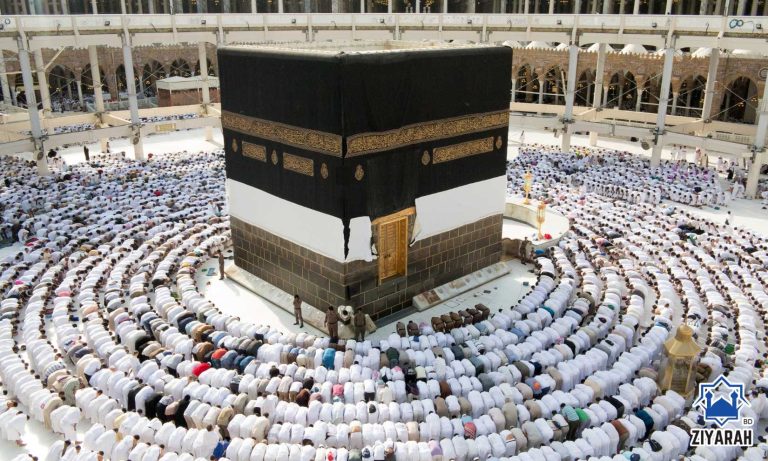
Hajj is one of the five fundamental pillars of Islam, an obligatory act of worship for every able-bodied and financially capable Muslim once in a lifetime. However, modern financial obligations raise many questions, one of the most common being:
“Can I perform Hajj if I have a mortgage?”
This blog post dives deep into the Islamic rulings, scholarly perspectives, and practical financial guidelines on performing Hajj while having an active mortgage. Whether you live in a Western country or are under financial commitment due to housing loans, this comprehensive guide will help you understand your religious obligations in light of modern financial realities.
Understanding the Financial Conditions for Hajj in Islam
According to Islamic jurisprudence, Hajj becomes obligatory (Farz) only when certain conditions are met. One of the key conditions is financial ability (Istita’ah)—a person must have enough wealth to cover the entire cost of Hajj after fulfilling all necessary expenses for themselves and their dependents.
This includes:
- Daily household expenses
- Debts and outstanding liabilities
- Emergency savings
- Travel, accommodation, and Hajj-related costs
So, where does a mortgage fit into this equation?
What is a Mortgage in Islamic Perspective?
A mortgage is a long-term financial loan typically taken to purchase a house or property. In many cases, mortgages involve interest (Riba), which is prohibited in Islam. However, in non-Muslim countries or where Shariah-compliant alternatives are unavailable, many Muslims resort to conventional mortgage systems.
There are two primary types:
- Conventional Mortgage – involves interest and is generally considered Haram.
- Islamic Mortgage – structured based on Shariah principles using Murabaha, Ijara, or Musharakah.
Because of the presence of interest in many mortgages, some Muslims worry whether being under such a contract disqualifies them from performing Hajj.
Is It Permissible to Perform Hajj While Having a Mortgage?
The answer, according to most scholars, is yes, but with important conditions and considerations:
✅ 1. You Are Paying Your Mortgage Installments Regularly
If you are not defaulting on payments and can comfortably continue paying your monthly mortgage while affording Hajj without financial stress—then you are considered financially capable. In this case, Hajj is Farz on you.
✅ 2. Mortgage Doesn’t Impair Basic Needs
If performing Hajj won’t disrupt your ability to meet the essential needs of your family—such as food, shelter, medical care, and education—then your Hajj is valid and permissible.
✅ 3. You Have Sincere Tawbah for Interest Involvement
If your mortgage includes interest, it is recommended to sincerely repent (make Tawbah) and make an effort to move toward a Shariah-compliant alternative. However, the presence of interest does not invalidate your Hajj.
✅ 4. It Is a Long-Term Debt, Not Urgent
Scholars distinguish between immediate debt (that must be paid soon) and long-term structured loans like mortgages. If you are managing a long-term mortgage well and have no due/unpaid urgent debts, Hajj is considered valid.
What the Scholars Say
Across the major schools of thought—Hanafi, Maliki, Shafi’i, and Hanbali—the majority of scholars agree on the following:
- A mortgage does not automatically prevent someone from performing Hajj.
- As long as one can fulfill their financial obligations and still afford Hajj, it is permissible.
- The presence of a mortgage does not affect the validity or acceptance of Hajj as long as intentions are sincere.
Financial Planning for Hajj with a Mortgage
Before committing to Hajj while managing a mortgage, you should undertake a responsible financial plan. Here’s how:
💰 1. Review Your Monthly Budget
Ensure your mortgage payments, bills, and savings are covered before allocating funds for Hajj.
💡 2. Create a Separate Hajj Fund
Start a dedicated savings plan for Hajj to avoid disrupting your mortgage or daily financial commitments.
🏦 3. Avoid Taking Additional Loans
It’s not recommended to take out loans just to perform Hajj, especially if you already have existing liabilities.
📊 4. Consult a Scholar and a Financial Advisor
Seek advice from a qualified Islamic scholar (Mufti) and a financial advisor to assess your readiness for Hajj.
Hajj 2025: Key Updates and Preparation Tips
Saudi Arabia has introduced several new policies for Hajj 2025, including stricter visa procedures, registration systems, and health guidelines. For those with mortgages or financial constraints, planning is even more important.
✅ Choose a Reliable Tour Operator
Select an agency with a good track record and Hajj experience, especially if you’re managing costs carefully.
✅ Understand the Hajj Process
Take classes or attend seminars on Ihram rules, rituals, and what to expect to avoid violations during the journey.
✅ Plan for Emergencies
Set aside an emergency fund for unexpected travel or health issues, both during and after your Hajj trip.
Avoid These Common Mistakes
If you’re planning to perform Hajj while under mortgage, avoid these financial and spiritual missteps:
❌ Overspending on Hajj
Stick to your budget. Don’t use your Hajj as a shopping tour or luxury vacation.
❌ Ignoring Debt Management
Never stop paying your mortgage or delay critical financial responsibilities to fund Hajj.
❌ Choosing Unreliable Operators
Unlicensed or unqualified Hajj operators can jeopardize your entire trip. Always verify credentials.
❌ Lack of Tawbah for Interest
If you’re in a conventional mortgage, seek forgiveness and explore halal options, even after performing Hajj.
Frequently Asked Questions (FAQs)
❓ Is Hajj Farz if I have a mortgage?
If you can pay your mortgage and Hajj expenses without hardship, then yes, Hajj becomes obligatory.
❓ Can I perform Hajj with a conventional mortgage involving interest?
Yes, but sincere repentance (Tawbah) is advised. It’s better to move to Islamic financing when possible.
❓ Will my Hajj be accepted if I haven’t paid off my mortgage?
Yes, acceptance of Hajj is based on your intentions and efforts, not necessarily full debt clearance.
❓ Should I delay Hajj until I finish my mortgage?
Not necessarily. If you meet financial conditions for Hajj, you should not delay unnecessarily.
Mortgage vs. Hajj: How to Balance Faith and Finance
Living in the modern world often requires financial decisions that may conflict with ideal Islamic principles. However, Islam provides flexibility, compassion, and practical guidance. If you’re managing a mortgage wisely, are not neglecting obligations, and approach Hajj with a pure heart—your journey is valid and rewarded, In shaa Allah.
Always remember:
“Allah does not burden a soul beyond that it can bear.” – Surah Al-Baqarah, 2:286
Conclusion
Having a mortgage does not prevent you from performing Hajj, provided you are financially stable, not neglecting basic responsibilities, and maintain sincerity in your worship.
As Hajj 2025 approaches, prepare wisely—both spiritually and financially. Seek advice, save intentionally, and keep your focus on the true purpose of this once-in-a-lifetime journey.
Are you planning to perform Hajj while managing a mortgage? Share your story or questions in the comments below. For more Islamic finance and Hajj tips, follow our blog and share this post with others who may benefit.