Can Husband and Wife Stay Together During Hajj?
What Is Hajj and Its Importance?
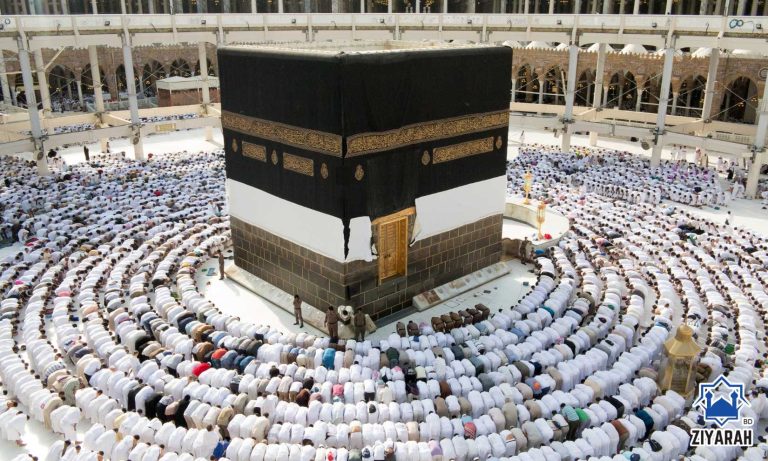
Hajj is one of the five pillars of Islam, a mandatory act of worship once in a lifetime for all able Muslims. Every year from 8th to 12th Dhul Hijjah, millions of Muslims gather in Makkah, Saudi Arabia to perform rituals such as Tawaf around the Kaaba, standing at Arafat, overnight stay in Muzdalifah, and symbolic stoning at Mina. Hajj symbolizes devotion, unity, humility, and spiritual purification.
Can Husband and Wife Stay Together During Hajj?
Many couples travel together for Hajj, but due to the strict Ihram rules, mahram requirements, and ritual guidelines, this raises common questions. This article explains in detail how couples can stay together during Hajj while following the religious guidelines and Saudi regulations.
1. Ihram Rules and Marital Relationship
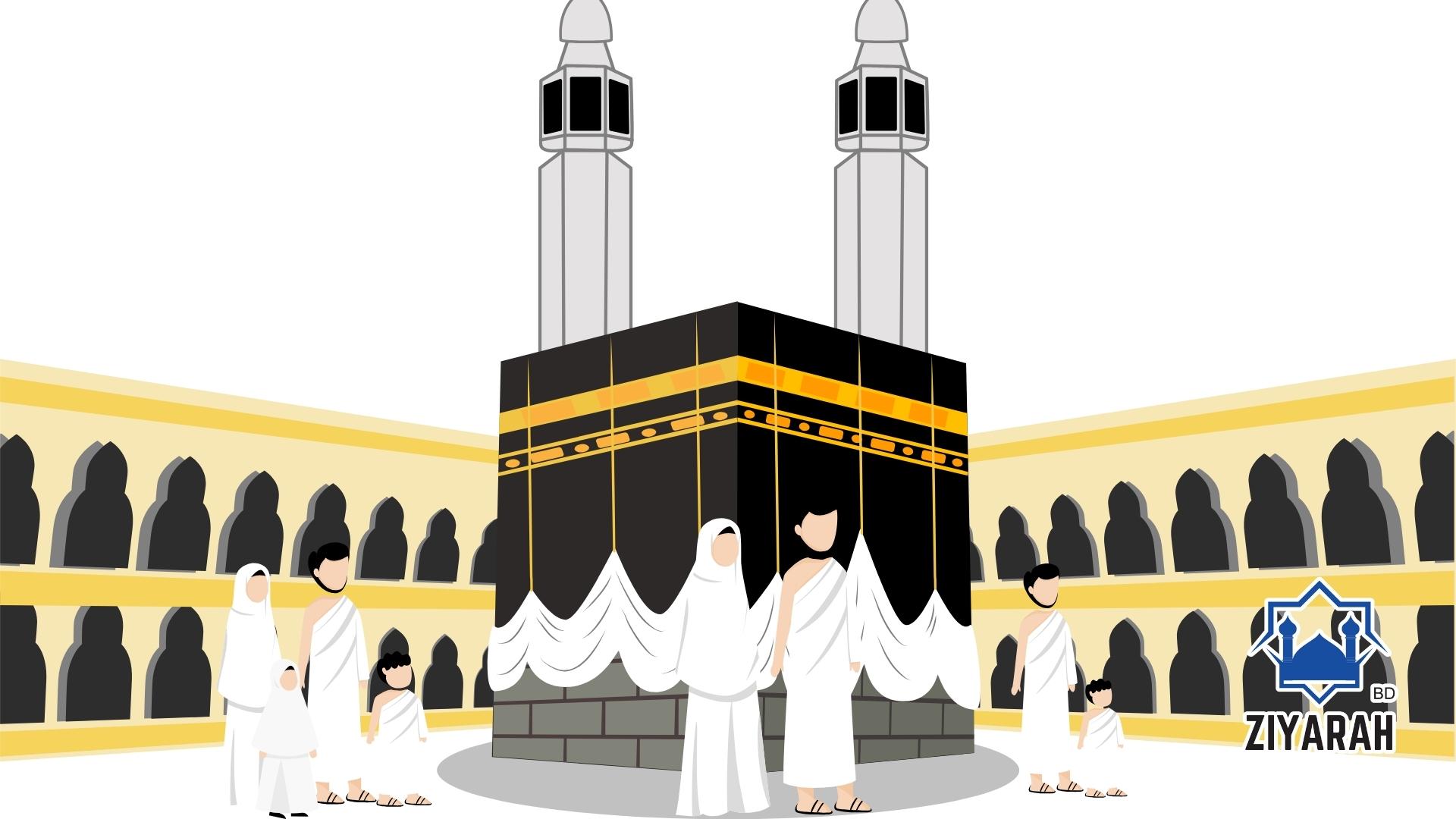
Ihram is a sacred state in which pilgrims wear specific clothing (two white cloths for men, modest dress for women) and abstain from certain actions. During Ihram:
- Physical intimacy is strictly prohibited.
- As stated in the Quran (Surah Al-Baqarah 2:197): “No sexual relations, misconduct, or arguments during Hajj.”
- Couples can stay in the same room or tent, speak normally, and assist one another, but must avoid any actions that incite desire.
Prohibited acts in Ihram include:
- Physical intimacy or sexually suggestive acts
- Using perfume
- Cutting hair or nails
- Engaging in quarrels or obscene speech
2. Role of the Husband as Mahram
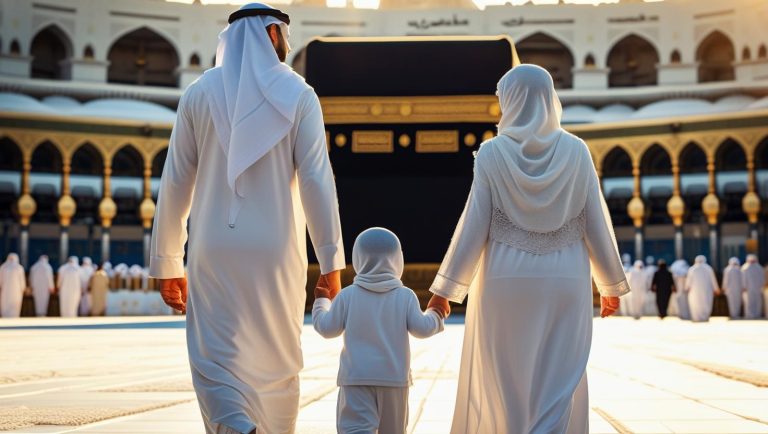
A woman must be accompanied by a mahram (a close male relative like husband, father, brother, or son) to perform Hajj. The husband typically serves as her mahram, responsible for her safety, guidance, and support throughout the journey. This allows the couple to travel and stay together, making the experience more comfortable and spiritually rewarding.
3. Accommodation in Makkah
Hajj packages (government or private) usually offer shared rooms or tents for couples. In Makkah, this is commonly arranged through hotels or guest houses. However, in high-traffic areas like Mina or Arafat, space constraints may sometimes require separate arrangements for men and women.
Private Hajj packages often provide better facilities and may guarantee joint accommodation for couples at a higher cost.
4. Staying Together in Arafat, Muzdalifah & Mina
- Arafat (9th Dhul Hijjah): Large tents are provided, and couples may stay together if allowed. Some camps maintain gender-segregated arrangements.
- Muzdalifah: Pilgrims sleep under the open sky. Couples can stay together but must observe Ihram rules strictly.
- Mina: Tents are usually shared based on availability. While the Saudi government tries to allow couples to stay together, overcrowding may sometimes require separation.
These arrangements depend on your chosen package and Saudi Hajj policies.
5. Etiquette Between Couples During Ihram
Couples must be cautious during Ihram:
- Avoid any intimate behavior.
- Support each other in rituals like Tawaf and Sa’i.
- Maintain spiritual focus with mutual respect and care.
- Participate together in du’a and dhikr.
- Ensure each other’s comfort and safety during travel.
6. Saudi Arabia’s Provisions for Couples
The Saudi government offers specific arrangements for Hajj couples:
- Accommodation: Separate tents or rooms may be arranged in Makkah and Mina via private packages.
- Transport: Couples can travel together between Hajj sites (Makkah, Arafat, Muzdalifah, Mina).
- Security: Mahram presence ensures women’s safety and compliance with Islamic guidelines.
Use the Nusuk platform to select packages that offer joint accommodations for couples.
7. Preparation Tips for Couples Performing Hajj
- Learn Ihram rules: Both spouses should attend Hajj training (available via Hajj offices in Bangladesh).
- Confirm shared accommodation: Check with your Hajj agency if couple-friendly lodging is guaranteed.
- Prepare physically and mentally: Hajj is physically demanding. Fitness and emotional preparation are essential.
- Understand mahram duties: Husbands must ensure their wives’ comfort, safety, and religious compliance.
- Financial planning: Choose a package based on budget and desired level of comfort.
8. Benefits of Performing Hajj as a Couple
- Spiritual bond: Joint worship deepens emotional and spiritual connection.
- Mutual support: Helps ease physical and emotional challenges of Hajj.
- Safety and guidance: The husband as mahram plays a key supportive role.
- Shared experience: Strengthens the marital bond through shared faith and devotion.
9. Possible Challenges
- Space constraints: Overcrowding may lead to temporary separation in certain locations.
- Ihram restrictions: Maintaining physical distance can be difficult.
- Physical exhaustion: Long rituals and travel may be tiring.
Preparation and patience can help couples overcome these challenges.
Conclusion
Yes, husband and wife can stay together during Hajj, provided they respect Ihram rules and follow Saudi Hajj regulations. While physical intimacy is prohibited, mutual companionship, support, and shared accommodation are allowed. With proper planning, training, and guidance, performing Hajj as a couple can be a deeply fulfilling spiritual journey.
Call to Action:
If you are planning to perform Hajj as a couple, visit the official Bangladesh Ministry of Religious Affairs website (www.hajj.gov.bd) or your nearest Hajj office. Choose an authorized agency, ensure training, and prepare for this sacred journey together. May Allah accept your Hajj.