How to Obtain a Hajj Visa?
What is Hajj and the Importance of a Visa
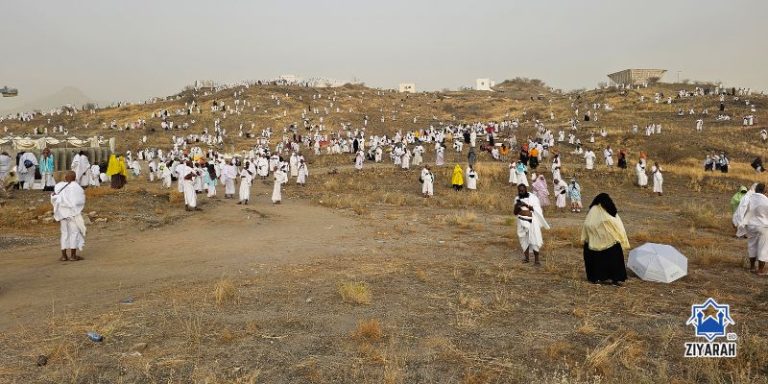
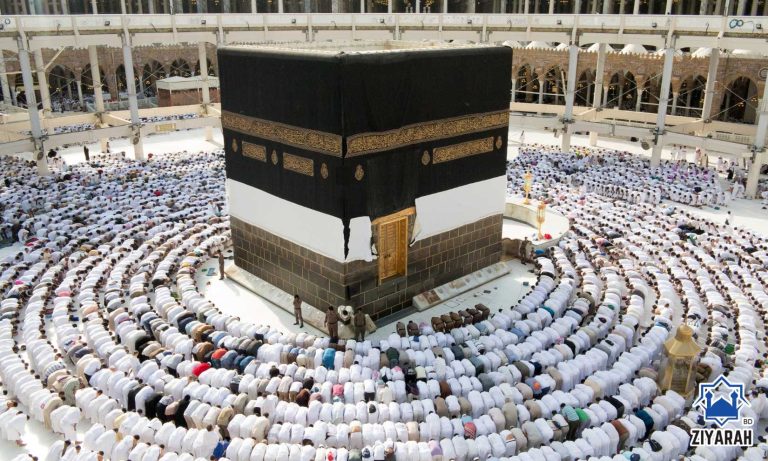
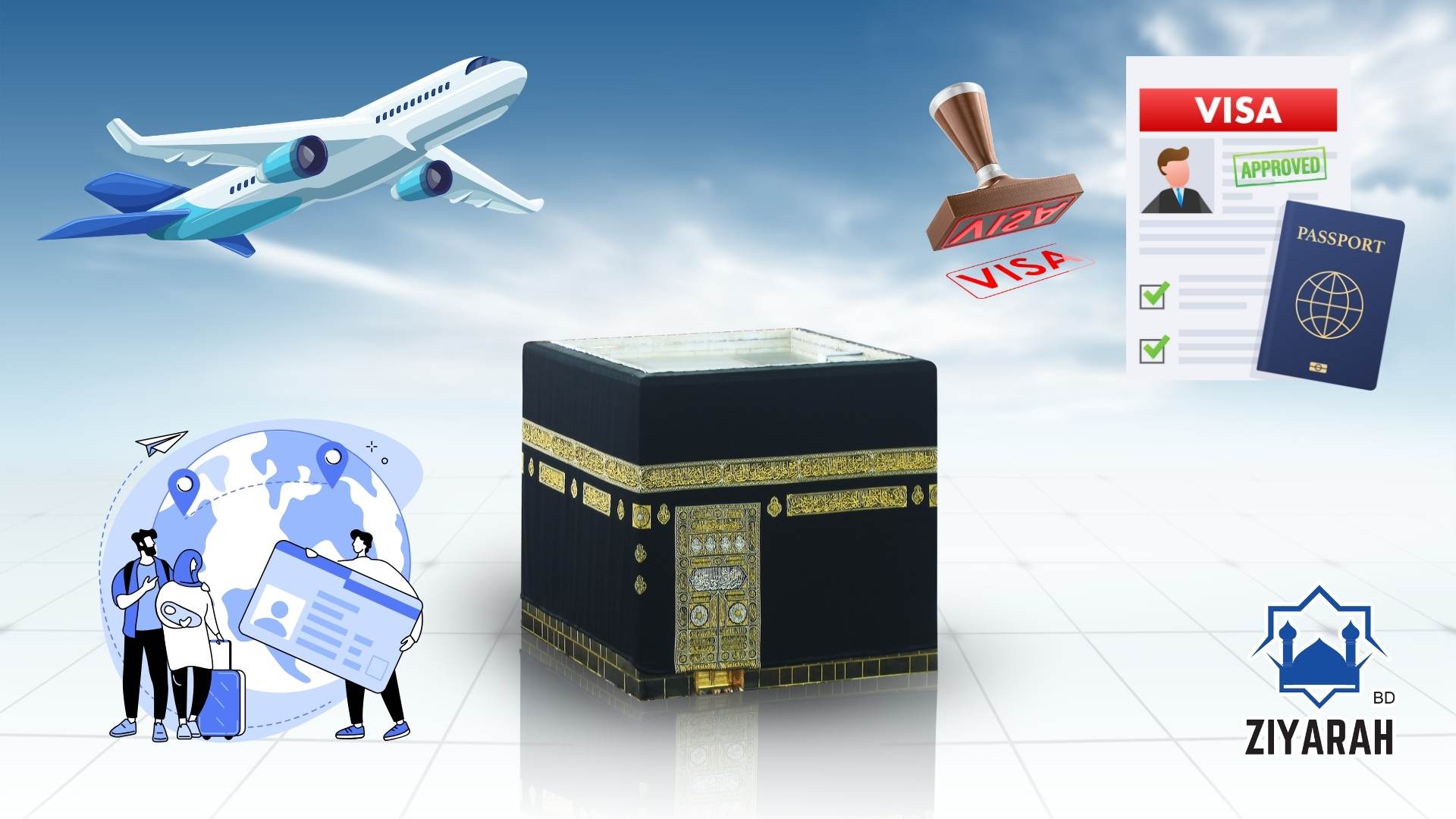
Hajj is one of the five pillars of Islam, and every capable Muslim must perform this obligatory act of worship at least once in their lifetime. To perform Hajj, Muslims must travel to Mecca in Saudi Arabia, which requires a special visa known as the Hajj visa. Without this visa, entering Saudi Arabia and performing Hajj is not possible. In this article, we will discuss the process of obtaining a Hajj visa, the required documents, the costs, and some essential tips in detail.
The Hajj visa is issued by the Saudi Arabian government and is valid only during the Hajj period (from the 8th to the 12th of Dhul-Hijjah). Unlike a regular tourist visa or Umrah visa, the Hajj visa is specifically issued to perform Hajj. With the right process and preparation, obtaining a Hajj visa is achievable, and this article will guide you through the process.
Eligibility for a Hajj Visa
Before applying for a Hajj visa, you must meet certain conditions set by the Saudi Arabian government and the Hajj Office in Bangladesh. These include:
- Religious Eligibility: The applicant must be Muslim, as Hajj is an act of worship exclusively for Muslims.
- Physical Capability: Hajj is a physically demanding process, so applicants must be physically and mentally fit.
- Financial Capability: Applicants must have sufficient financial resources to cover the costs of Hajj.
- Age: Generally, individuals under 18 must be accompanied by a guardian. In some cases, the Saudi government may impose age restrictions.
- First-Time Priority: Priority is given to those who have not previously performed Hajj.
Additionally, your passport must be valid for at least six months, and any criminal record may hinder your visa application.
Required Documents for a Hajj Visa
To apply for a Hajj visa, the following documents are required. This list applies to Bangladesh, but confirm the latest requirements with the Saudi Embassy or local Hajj agency:
- Valid Passport: The passport must be valid for at least six months and must be a Machine-Readable Passport (MRP).
- Hajj Registration Form: Complete the registration form through the Hajj Office in Bangladesh or an authorized agency.
- Passport-Sized Photos: 2–4 recent passport-sized photographs with a white background.
- National ID (NID): A photocopy of the applicant’s National Identification Card.
- Health Certificate: A health check certificate, including proof of vaccinations (e.g., meningitis and flu).
- Bank Statement: Financial documents or bank statements to prove the ability to cover Hajj expenses.
- Hajj Training Certificate: Proof of completing Hajj-related training from the Hajj Office or agency in Bangladesh.
- Mahram Information: For female pilgrims, details and documents of a Mahram (close male relative escort).
- Marriage Certificate (if applicable): Proof of relationship with the Mahram, such as a marriage certificate.
These documents must be accurately collected and submitted to the local Hajj Office or Saudi Embassy.
Hajj Visa Application Process
The Hajj visa application process in Bangladesh can be completed through government or private channels. Below is a step-by-step guide:
- Hajj Registration:
The Hajj Office (under the Ministry of Religious Affairs) in Bangladesh announces a specific period for Hajj registration each year. You must complete the registration form within this period, either online or at the local Hajj Office. During registration, provide personal details, passport number, and select your preferred Hajj package. - Hajj Package Selection:
Hajj can be performed through government or private packages in Bangladesh. Government packages are generally more affordable and managed under government supervision. Private packages offer luxury facilities but are more expensive. Choose a package based on your budget and needs. - Document Submission:
Submit the required documents through the local Hajj Office or an authorized agency. The Saudi Embassy does not directly accept Hajj visa applications; they are processed through the Hajj Office or agency. - Hajj Training:
Hajj training is mandatory in Bangladesh. This training covers Hajj rituals, Ihram rules, and conduct in Saudi Arabia. Upon completion, a certificate is issued, which must be submitted with the visa application. - Visa Processing:
After document submission, the Hajj Office or agency coordinates with the Saudi Embassy to process the visa. This typically takes a few weeks. If approved, the visa will be stamped in your passport. - Vaccinations and Health Check:
Pilgrims must take required vaccinations (e.g., meningitis, flu) and submit a health check certificate with the visa application.
Hajj Visa Costs
The cost of a Hajj visa depends on the package type and facilities. In Bangladesh, for 2025, government Hajj packages typically cost between BDT 400,000 and 600,000, while private packages may range from BDT 600,000 to 1,000,000 or more. These costs include visa fees, airfare, accommodation, meals, and transportation.
The visa fee is usually included in the package, but contact the Hajj Office or agency for exact costs. Additional expenses may include vaccinations and health checks.
Important Tips for Obtaining a Hajj Visa
To streamline the Hajj visa process, follow these tips:
- Register on Time: Missing the registration deadline can make obtaining a visa difficult. Stay updated with government announcements.
- Choose an Authorized Agency: For private packages, work with government-approved agencies to avoid scams.
- Prepare Documents Accurately: Ensure all documents are correct and up-to-date.
- Attend Training: Hajj training helps you understand rituals and Saudi regulations.
- Plan Finances: Save in advance and create a budget for Hajj expenses.
- Maintain Health: Prepare physically for Hajj’s demands and complete required vaccinations.
Restrictions and Rules of the Hajj Visa
The Hajj visa comes with specific rules and restrictions that must be followed:
- Specific Duration: The Hajj visa is valid only during the Hajj period. It cannot be used for travel or Umrah at other times.
- Restricted Locations: The visa allows travel only to Mecca, Medina, and Jeddah. Visiting other cities in Saudi Arabia is prohibited.
- Mahram Requirement: Female pilgrims must travel with a Mahram.
- Group Travel: Hajj must typically be performed in a group, and solo travel is not permitted.
Potential Challenges in the Hajj Visa Process
You may face some challenges when applying for a Hajj visa, such as:
- Quota Limitations: Saudi Arabia sets a limited quota for pilgrims from each country. In Bangladesh, late registration may result in missing the opportunity.
- Risk of Fraud: Some unscrupulous agencies may engage in fraud. Work only with government-approved agencies.
- Document Errors: Incomplete or incorrect documents can lead to visa rejection.
To avoid these challenges, plan and gather accurate information.
Modern Technological Facilities for Hajj Visa
The Saudi government is using modern technology to streamline Hajj management. For example, the Nusuk platform allows pilgrims to apply for visas, select packages, and access other services online. The Hajj Office in Bangladesh has also introduced online registration, making the process more transparent and accessible.
Conclusion
Obtaining a Hajj visa is a crucial step that can be simplified with proper planning and preparation. In Bangladesh, pilgrims can complete the process through government or private packages, required documents, and training. Timely registration, accurate documentation, and adherence to Saudi regulations are essential.
If you are planning to perform Hajj, contact the Ministry of Religious Affairs website (www.hajj.gov.bd) or your local Hajj Office. Additionally, seek assistance from authorized Hajj agencies. Prepare for this sacred journey and pray for its acceptance by Allah.